Recap: Sundance Collab Week 8.

Hello, my fellow artists! I am recapping my weekly experiences of the writing course I’m taking at the Sundance Collab. These recaps are a cool insight into the creative process and personal journey of building something from scratch. In this case, a feature film treatment.

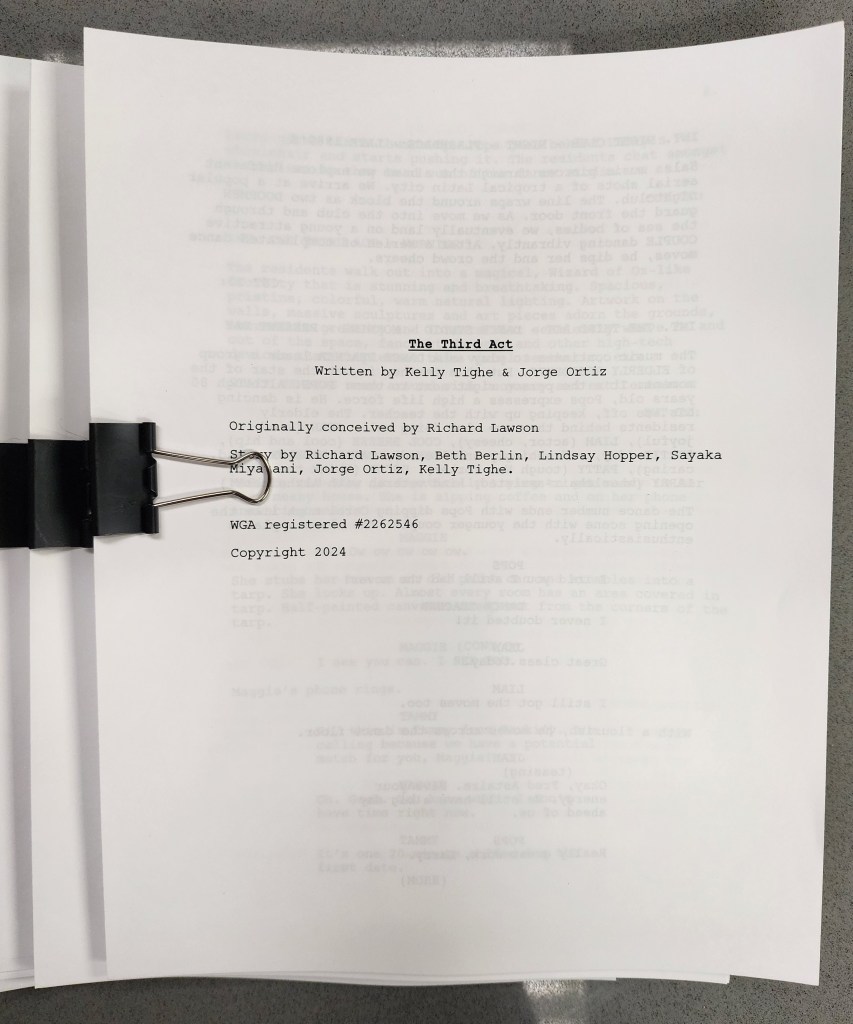
Recap: Week 8. The moment has finally arrived! The whole goal of this course was to take an idea for a feature film and create a fully-realized treatment for it. This was the week to start transitioning into this final phase! Wow! I expanded from an idea to an action summary to a beat sheet to an expanded beat sheet to an outline, and now, to the beginning of a treatment. This has been an amazing and crazy ride. Seeing my story expand over the last 8 weeks is a wonderful feeling and accomplishment. I’m so proud of myself. One more week to go! Keep reading below 🙂

A treatment is where you now infuse emotions into your scenes. If you remember from last week, an outline is an expanded breakdown of what is happening from one scene to the next. Now, in terms of a treatment, “what do the characters feel when these things are happening? The treatment is an emotional short story. From scene to scene, what is this scene about? And then fill it out emotionally.” Our goal in this course is to create a treatment that is 10 to 15 pages long. And the purpose and power of a treatment is that it is the source material for our eventual screenplay. The treatment will guide us in the actual writing of our feature film screenplay. It takes the guesswork out of our writing. Keep reading below 🙂

Armed with my course advisor’s notes from last week and the answers I came up with, I meticulously went through as many scenes as possible and asked myself, “what is this scene about?” and “what is this character(s) feeling?” “When and how will Luke’s assets and liabilities that I created in week two show up in these scenes?” “Is the theme of my movie, which I discovered in week one, present within this treatment? When does the theme come up and how often does it come up?” “Is Luke’s emotional drive clearly coming through in my scenes?” Some scenes were easier than others in terms of discovering what they were about and my ability to fill them out emotionally. However, I know that if I keep going back to those other scenes and ask the next question, the answers will present themselves. Or, I’ll realize that those scenes don’t work. In which case, I can get rid of them (and I’ve already gotten rid of a few scenes that didn’t fit within my story.) I made it to the beginning of act two and realized I was going to need more time to continue tackling the rest of my scenes LOL. LOL. LOL. Keep reading below 🙂

With one more week to go, I have a feeling that we will be able to continue tackling our treatment. See you all next week for the FINAL recap of my Sundance Collab writing course experience!

Which Writing Competitions To Submit To.

For my fellow screenwriters and TV writers out there who are interested in submitting content to writing competitions, but don’t know where to start, I hope that my blog entry will help. I have been submitting to writing competitions this year (and in previous years.) And let me make it clear that because the writers strike is still going on, the information I’m providing is done with respect and support to their cause. The information provided does not go against the writers strike rules.

I read a great interview for pre-WGA writers titled, “Writers Strike Dos and Don’ts for Pre-WGA Writers, Explained by the WGA” that has confirmed and shaped how I’m writing today’s blog entry around writing competitions. Keep reading below 🙂

As with film festivals, there is a PLETHORA of writing competitions. It can feel daunting when looking at the myriad choices out there. For example, when I logged into my Coverfly account today, the dashboard listed 194 writing competitions. 194?! What?! By the way, “Coverfly is the industry’s largest screenwriter talent-discovery platform, connecting emerging screenwriters with literary managers, agents, producers and development executives.” It’s a central, convenient hub that contains a huge listing of different writing competitions. Keep reading below 🙂

Submitting to writing competitions as a way to get your work out there, to get noticed by the industry, and to receive feedback or coverage, can become expensive. Don’t just blindly submit because submission fees add up quickly. The best advice I can give you before you begin your journey is to do your homework and research. Aim for the big ones (because why not?) and aim for the ones geared to the type of script you have written for a more specific, bullseye approach. Not all competitions are equal and built the same way. Some have been around for a while and are highly-regarded and respected. Others are brand new and have only been in the game for a year. Some competitions come and go. Keep reading below 🙂

Some factors to consider: how long the competition has been in existence, its mission statement, its end goals for the writers who enter and win, the judges involved in the competition, the sponsors behind the competition, whether it is a genre-specific/niche competition that matches your script, etc. Do the research and decide for yourself. Listen to your instincts and use your common sense. Also, read the WGA interview at the end so that you understand the do’s and don’ts of writing competitions while they are on strike. Keep reading below 🙂

Below, I have listed 10 established, industry-recognized writing competitions that I have been submitting to this year (and in previous years.) Plus, I included a link to Coverfly. I found these writing competitions based upon industry colleague recommendations and through my own research. There may be a lot more established, industry-recognized writing competitions, but at least this list will get your wheels going. And with the exception of the Academy Nicholl Fellowships which only focuses on screenplays, the other competitions listed below accept both screenplays and TV scripts. If there is an asterisk (*) in front of a particular competition, it indicates that they have put out a written statement that they support the WGA’s strike efforts and will not go against their strike guidelines. For those competitions below (or any not listed here) that haven’t put out a written statement regarding their support of the writers strike, reach out to them directly. And before you submit, read what the WGA recommends in their interview below. Keep reading below 🙂

WGA Interview: https://www.moviemaker.com/writers-strike-rules-pre-wga/

1) Academy Nicholl Fellowships: https://www.oscars.org/nicholl

2) *Austin Film Festival: https://austinfilmfestival.com/submit/screenplay-and-teleplay-submissions-2/

3) *Final Draft Big Break: https://www.finaldraft.com/big-break-screenwriting-contest/

4) Page Awards: https://pageawards.com/

5) *ScreenCraft: https://screencraft.org/screenwriting-contests/

6) Scriptapalooza: https://scriptapalooza.com/

7) Script Pipeline: https://scriptpipeline.com

8) *Shore Scripts: https://www.shorescripts.com

9) *The Black List: https://blcklst.com/

10) Tracking Board Launch Pad: https://tblaunchpad.com/

11) Coverfly: https://www.coverfly.com/ “At Coverfly, we proudly support the rights of writers and the WGA’s efforts to ensure fair compensation for their work. Coverfly stands in solidarity with the WGA and its efforts to ensure fair, livable compensation for the work of writers. For information on how you can stay within the WGA strike rules and procedures while submitting for competitions, please contact the competition organization directly.”